
The record the church kept
The Diocese of Carcassonne administered parishes across the Aude département, and it kept papers. Those papers — correspondence, appointments, proceedings, personnel files — did not stay permanently in the bishop's residence. The ecclesiastical archive for this diocese is now held within the Archives départementales de l'Aude, the Aude's departmental record office at Carcassonne, which receives and conserves both civil and ecclesiastical collections. That single repository is where most of the verifiable documentation about Bérenger Saunière's career as a curé, the French word for parish priest, is actually located.
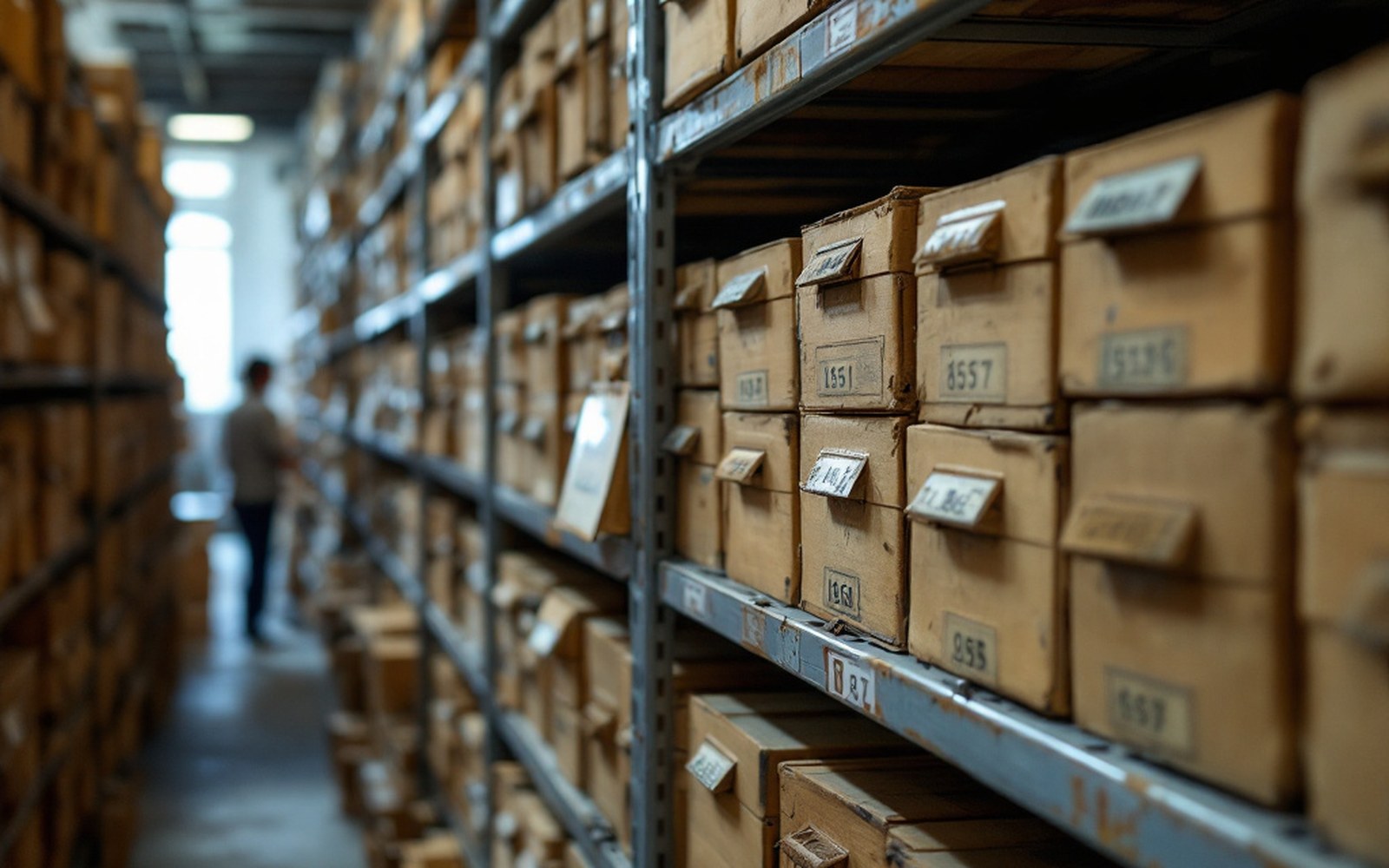
Fig. 2The civil record — property, notarial acts, registrations — which is where most hard facts about the buildings come from.
The diocesan series within the departmental archive includes the kind of material that tracks a priest's working life: appointment letters, correspondence between a curé and his bishop, complaints received by the diocese, and the records generated by any formal disciplinary process. For Rennes-le-Château, the significant item in that last category is the file relating to the ecclesiastical court proceedings brought against Saunière by the Diocese of Carcassonne under Bishop Paul-Félix Beuvain de Beauséjour in the early years of the twentieth century. Those proceedings were real, they were documented, and the file survives. It is not legend; it is an archive reference.
What the court papers show
The charge at the centre of the diocesan trial was simony — specifically, the taking of mass stipends on a scale that violated church regulation. A stipend was the small payment a layperson made when asking a priest to say a mass for a particular intention. The practice was legitimate and governed by diocesan tariffs, but a priest was forbidden to accept more mass intentions than he could personally fulfil. Saunière had accepted large volumes of mass stipends from correspondence sources, apparently farming out the actual celebration of the masses to other clergy while keeping much of the income. The diocesan investigation established this through documentary means: the correspondence and the financial accounts that Saunière was required to produce, or refused to produce, during the proceedings.
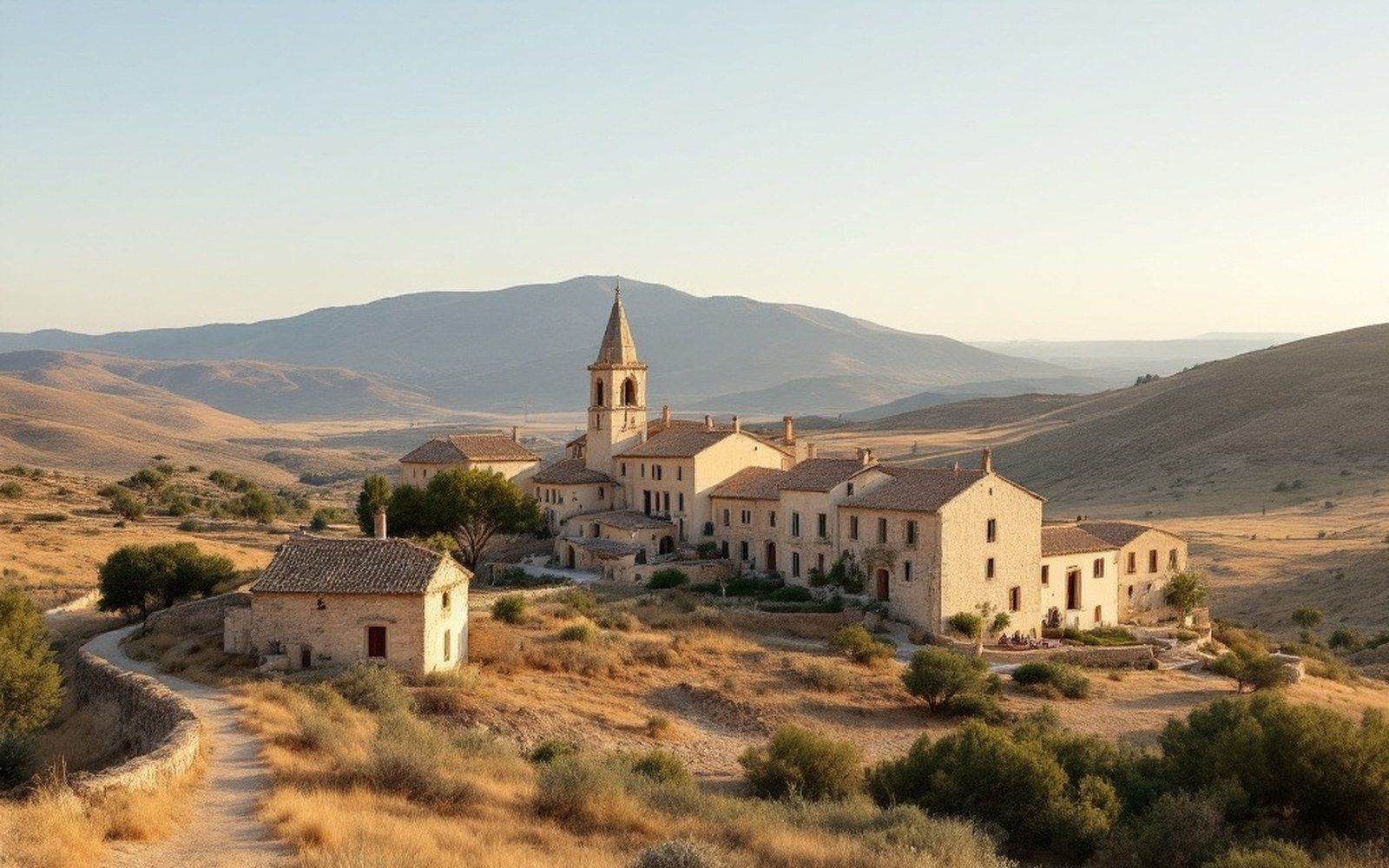
Fig. 3Church, villa and tower stand within a hundred metres of each other on the ridge.
The court papers therefore contain correspondence between Saunière and the bishop's office, records of hearings, and accounts of Saunière's responses — including his refusal at certain points to submit to the authority of the process. He appealed to Rome, where his case was not decided in his favour in any substantive way that altered the diocesan outcome. The Archives départementales de l'Aude hold this material as part of the broader diocesan series, and it has been examined by researchers who have published summaries of the proceedings based on the actual documents rather than on the popular literature about the site.

Fig. 4The published literature is enormous and mostly derivative; a small part of it is based on the archives.
The importance of this archive for anyone approaching the subject seriously cannot be overstated. The diocesan court file is the closest the record comes to a direct account of where Saunière's money came from, because the bishop's office tried to compel that account and recorded what happened when it did. The answer the documents give is not treasure, not a secret, not a coded parchment: it is the income from mass stipend trafficking, conducted at scale through a postal network, and the refusal of a priest to submit its accounts to his ecclesiastical superiors.
Fabric accounts — the spending records for church buildings and their furnishings — may appear in parish files but are not uniformly complete.
The limits of what survives
Not every kind of document one might want survives in the diocesan series. Parish registers for births, marriages and deaths were transferred to civil registration in France after 1792 and are held in the civil rather than the ecclesiastical sequence. Fabric accounts — the spending records for church buildings and their furnishings — may appear in parish files but are not uniformly complete. The correspondence that survives is largely the bishop's office copy and incoming letters; what Saunière retained at the presbytery, and what became of it after his death and the eventual transfer of the estate, is a separate question touching the Archives départementales de l'Aude as well as private hands.
The diocesan archive is not a secret. It is a public record in a public repository, listed in the finding aids of the departmental archive and described in the broader context of French ecclesiastical records that were progressively transferred to departmental custody over the course of the twentieth century. The story built around Rennes-le-Château grew in the absence of exactly this kind of primary source engagement; the archive was always there to consult.