On the Ridge
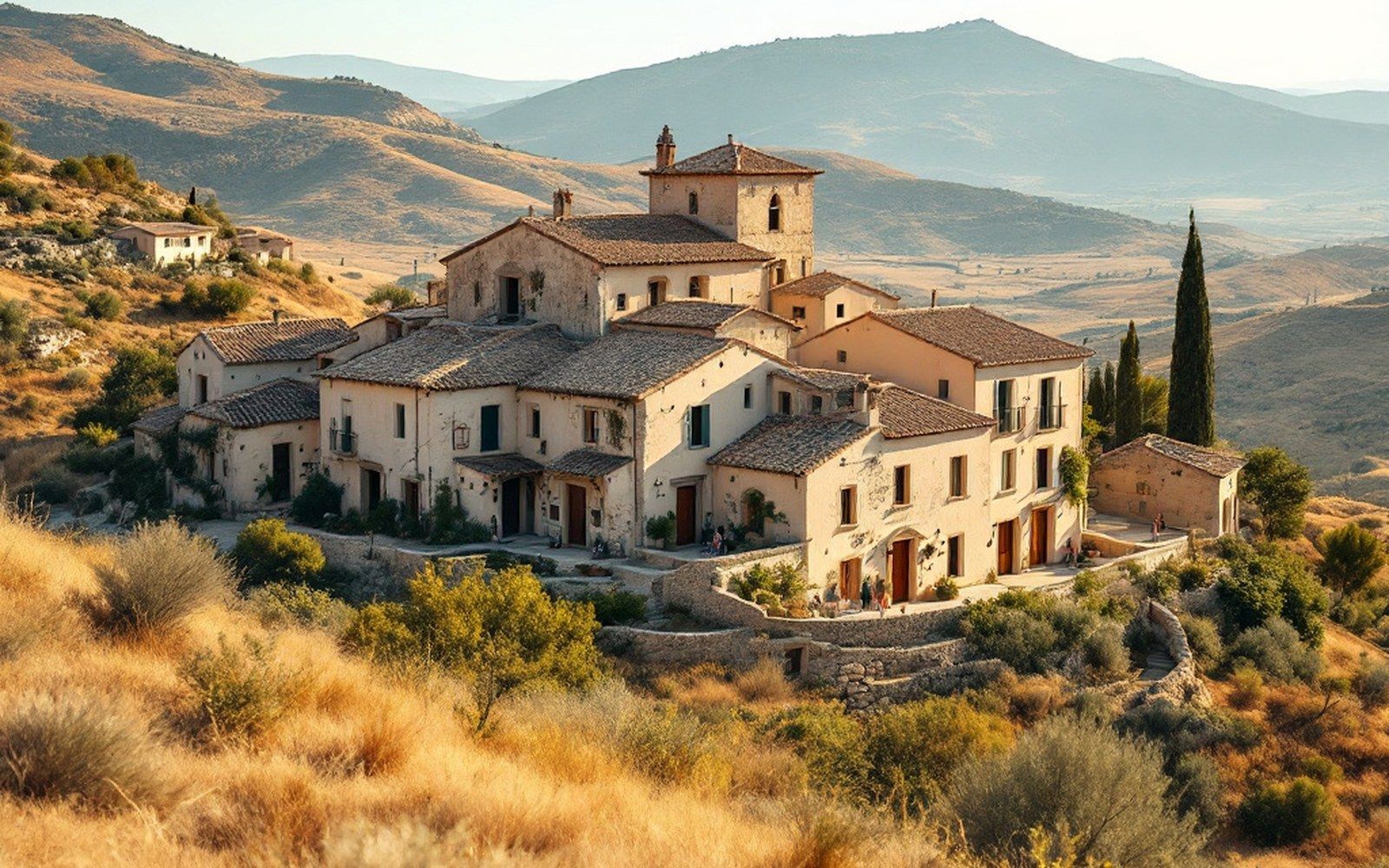
Rennes-le-Château sits on a spur of high ground above the Sals valley, in the département of Aude in the Languedoc region of southern France. Its elevation places it well above the valley floor, with views toward the Pyrenees to the south and the Corbières hills to the north and east. The Institut national de l'information géographique records it as a commune of the Aude, administratively belonging to the arrondissement of Limoux. Its population has hovered in the low hundreds for most of its modern history and by the late twentieth century had fallen below a hundred permanent residents — a figure consistent with the broader depopulation of upland villages across rural Languedoc throughout the nineteenth and twentieth centuries.
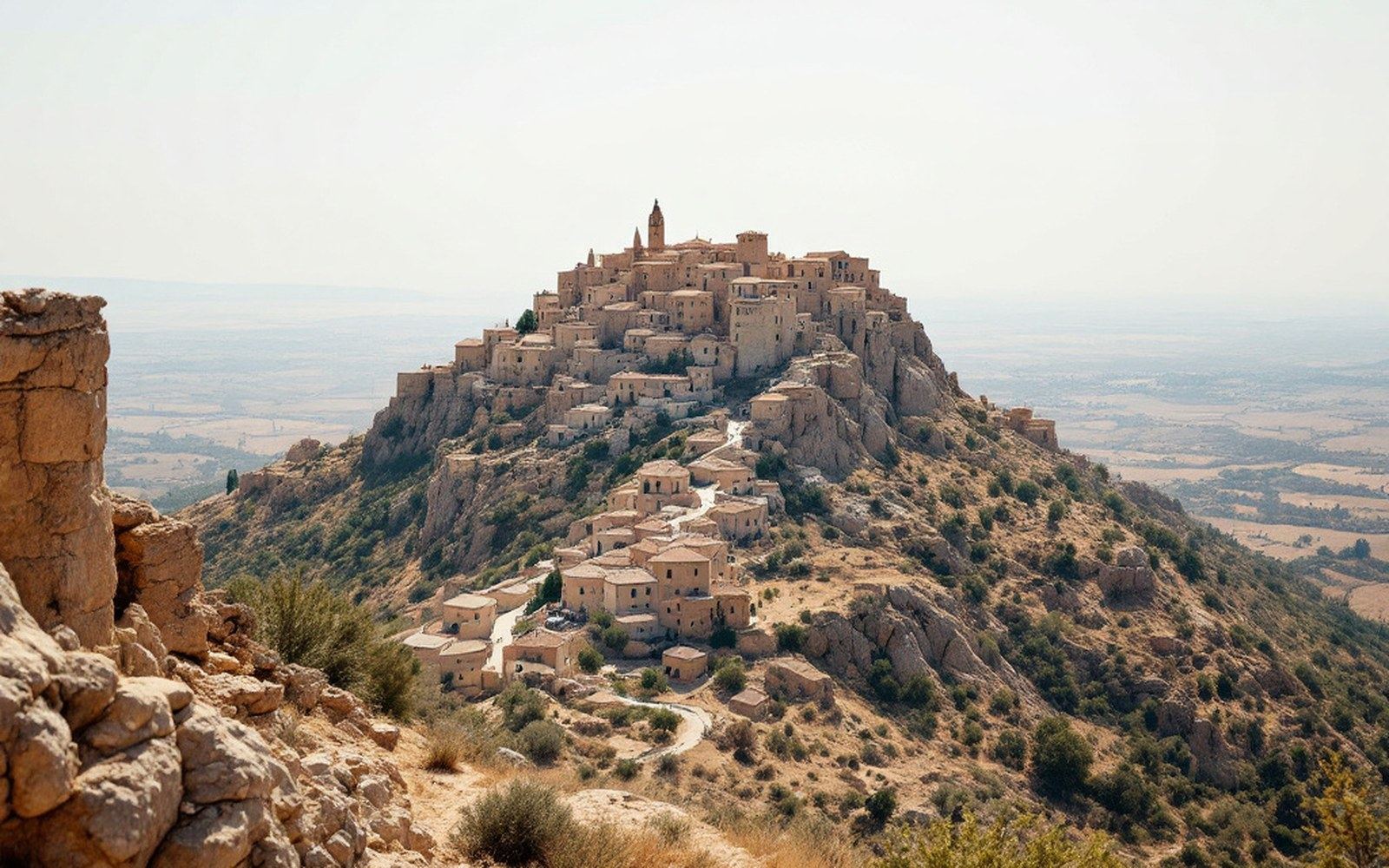
Fig. 2The geography that put a settlement here: a defensible spur above a river valley.
The settlement is old. The site's defensive advantage — a narrow, easily held ridge with steep drops on most sides — made it attractive long before the medieval period, and the name itself has roots in older forms recorded in Latin documents. By the medieval period it carried enough regional significance to merit a fortification and a parish church, though neither survives in its original form. The church of Saint Mary Magdalene, the building that would later absorb so much attention, is a structure rebuilt and modified over centuries, its oldest remaining fabric modest and its present appearance the result almost entirely of work carried out in the 1890s at the direction of Bérenger Saunière, who served as its curé — parish priest — from 1885.
The Commune Itself
The commune is administered, as all French communes are, through a municipal structure that has changed in its details over the decades but has remained legally continuous. Civil records — births, deaths, property transactions, notarial acts — are held at the Archives départementales de l'Aude in Carcassonne, and they offer a straightforward picture of a small, agricultural hilltop community whose economy depended on the surrounding land. The village never had significant industry. Its connection to the valley floor ran through Couiza and Montazels, the larger communes below where Saunière was born and where the main road and the river Aude ran together.
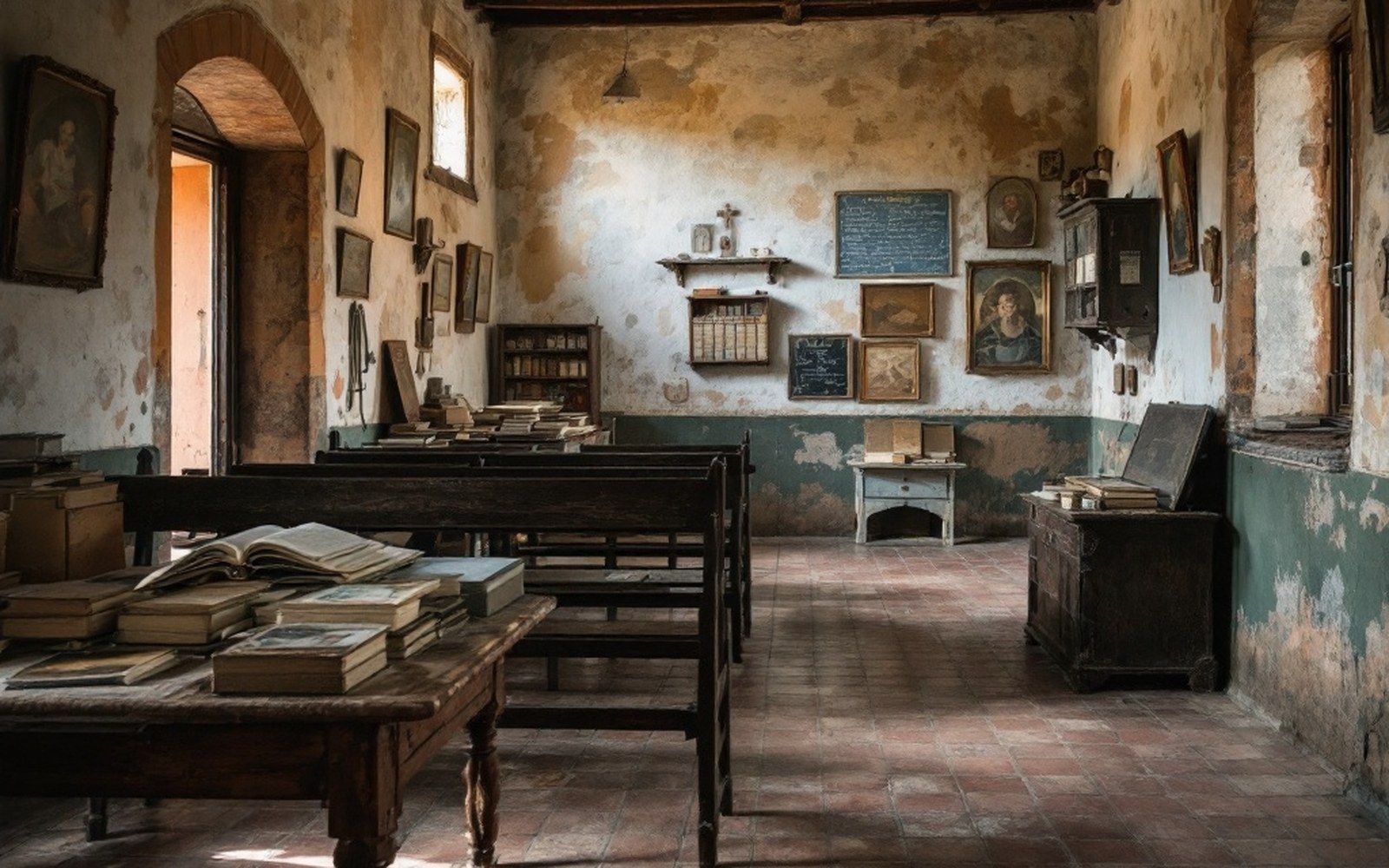
Fig. 3Painted plaster and a tiled floor: the refurbishment is the reason the church is known at all.
What the commune possessed, beyond its geography, was a medieval past sufficiently documented to give it a minor place in regional history and sufficiently remote to allow later writers to project onto it almost anything they wished. The name Rhedae appears in discussions of the area's late-antique and early medieval history, though the precise identification of Rhedae with the current village site remains a matter of scholarly caution rather than established certainty. Later elaborations of the treasure legend would treat this identification as a given and load it with invented significance.
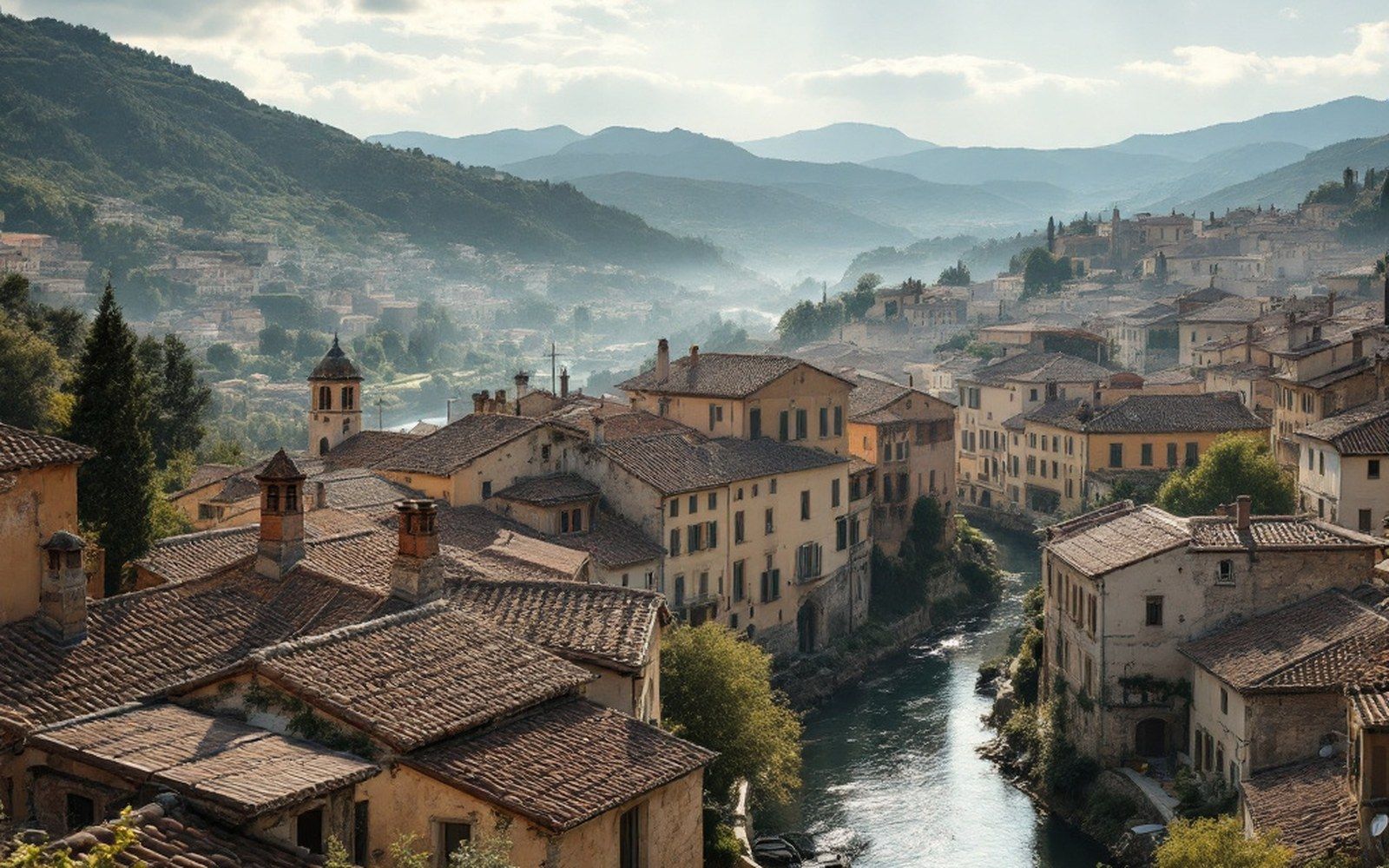
Fig. 4The valley-floor communes below, where the road, the river and his birthplace are.
From Village to Legend
The village's modern reputation is entirely the product of a story constructed in the mid-twentieth century. Noël Corbu, who in 1946 bought the estate of Bérenger Saunière's housekeeper Marie Dénarnaud, who stayed on there until her death, told paying guests at his hotel a story about a hidden treasure found by the nineteenth-century priest. That story was picked up by the regional press in the 1950s and subsequently elaborated, over the following decades, into an international phenomenon involving fabricated genealogies and forged documents lodged at the Bibliothèque nationale de France — a hoax whose principal architects were Pierre Plantard and Philippe de Chérisey. None of this had anything to do with the village's actual history.
What that history contains is more than sufficient. A documented medieval settlement, a small church with a properly recorded Victorian-era refurbishment paid for in ways the Diocese of Carcassonne found irregular, a civil archive, and a defined landscape: these are the materials from which a real account can be built. The commune's entry in official French geographic records gives population figures across successive censuses — and the numbers tell the story of a village, not a mystery.