What was installed, and what the record shows
Bérenger Saunière's renovation of Saint Mary Magdalene left the interior considerably more furnished than he found it. The accounts and diocesan correspondence allow a partial but genuine itemisation, even if no single surviving document gives a complete inventory.
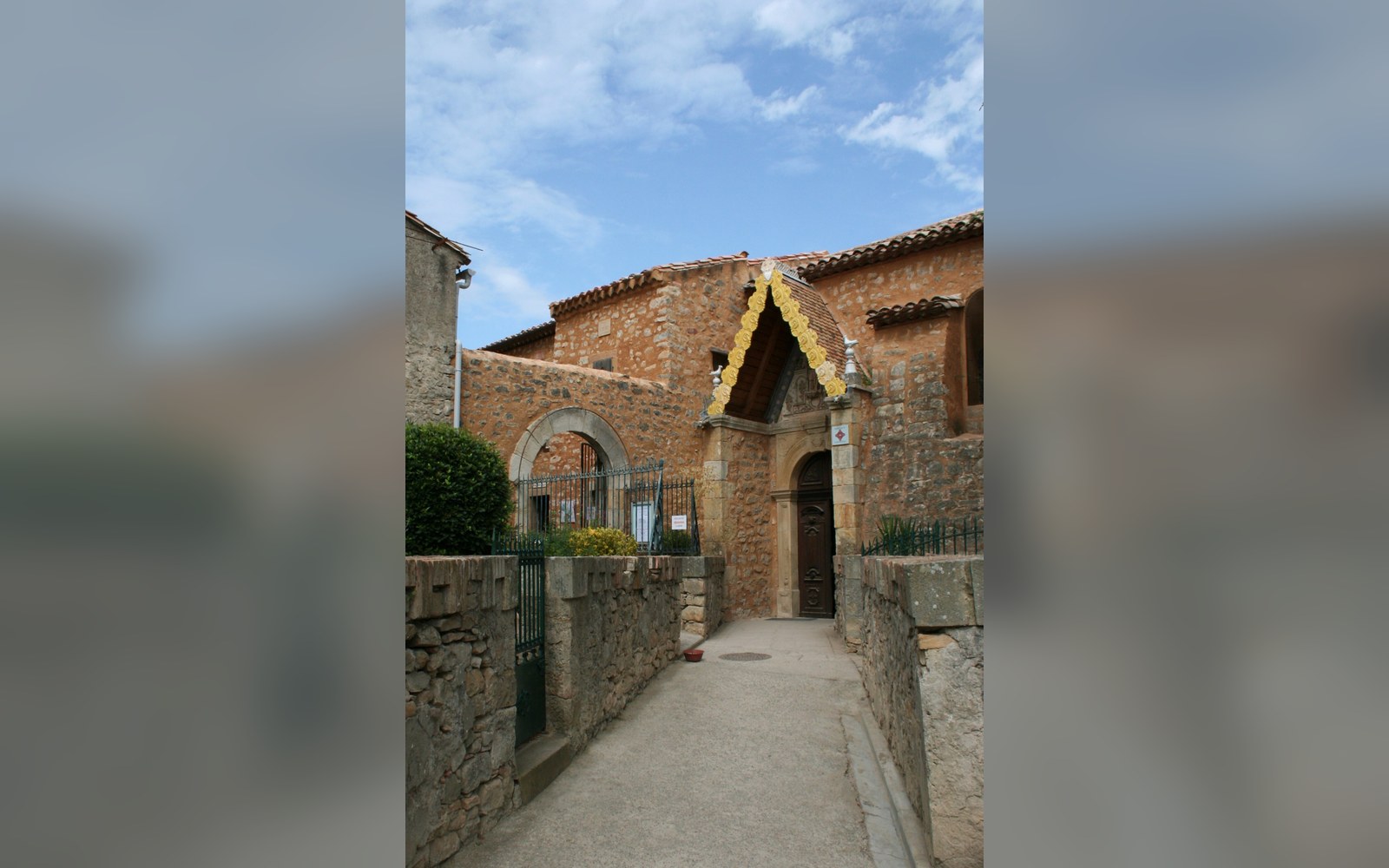
Fig. 2The parish church itself: a small building of no particular distinction until the 1890s, when its interior was comprehensively and expensively redone.
Photo: Rennes-le-Château-Sainte-Marie-Madeleine · Wikimedia Commons
The altar is the centrepiece. The existing high altar was replaced with a new marble structure during the refurbishment of the 1890s, a change consistent with the neo-Gothic and neo-Romanesque aesthetic Saunière pursued throughout. The altar rail is also marble. Neither was standard issue for a parish church of this size and poverty; both are among the material facts that drove the Diocese of Carcassonne's scrutiny of where the money was coming from.
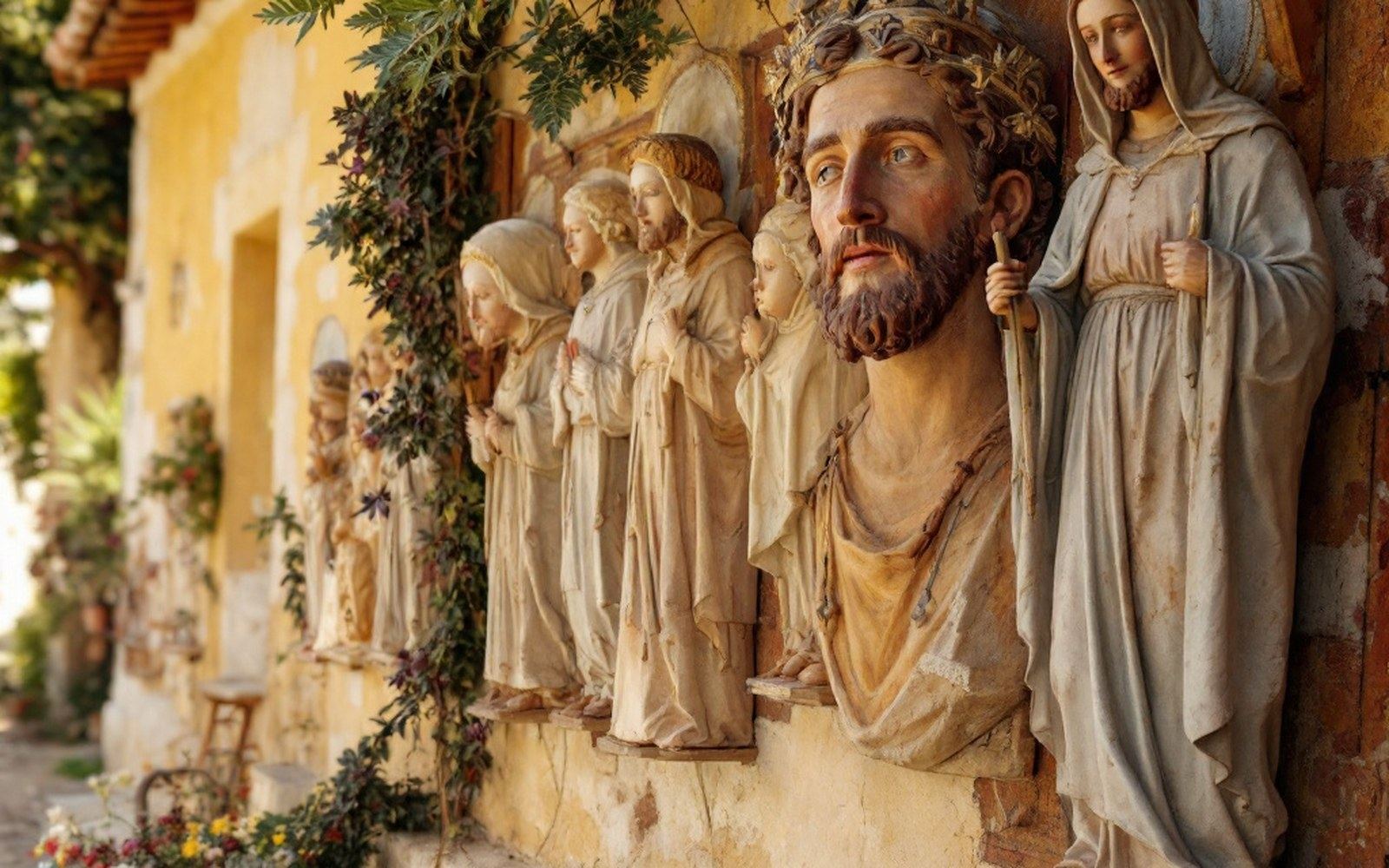
The statues are numerous and identifiable by their makers' marks and period style. They are polychrome plaster figures of the kind mass-produced and sold through Catholic religious suppliers in the late nineteenth century — commercially available devotional goods, not bespoke commissions. They include a Virgin and Child, a Saint Joseph, a Saint Anthony, a Saint Germaine, and figures of the Sacred Heart and Saint John the Baptist, among others. Taken individually, each is unremarkable; taken together, and paid for on the income of a rural curé — the French term for a parish priest — they amount to an expenditure that demanded explanation.
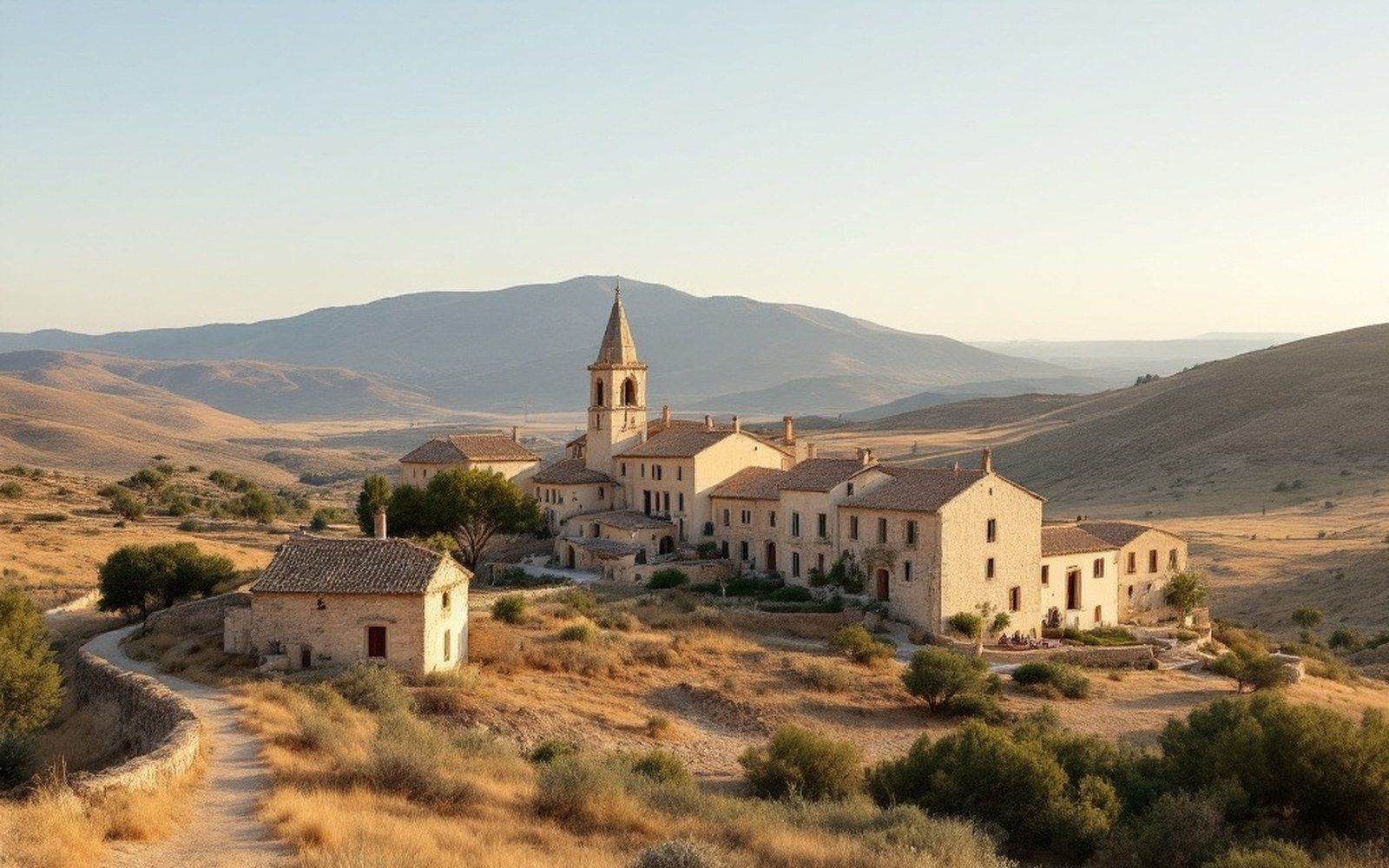
Fig. 3Church, villa and tower stand within a hundred metres of each other on the ridge.
The Stations of the Cross, a series of fourteen relief panels depicting the Passion, were installed along the nave walls. These too are commercially produced plasterwork of the period. The diocesan court proceedings reference the overall cost of the interior works, and the stations form part of that picture, though no line-item cost for them survives in the public record.
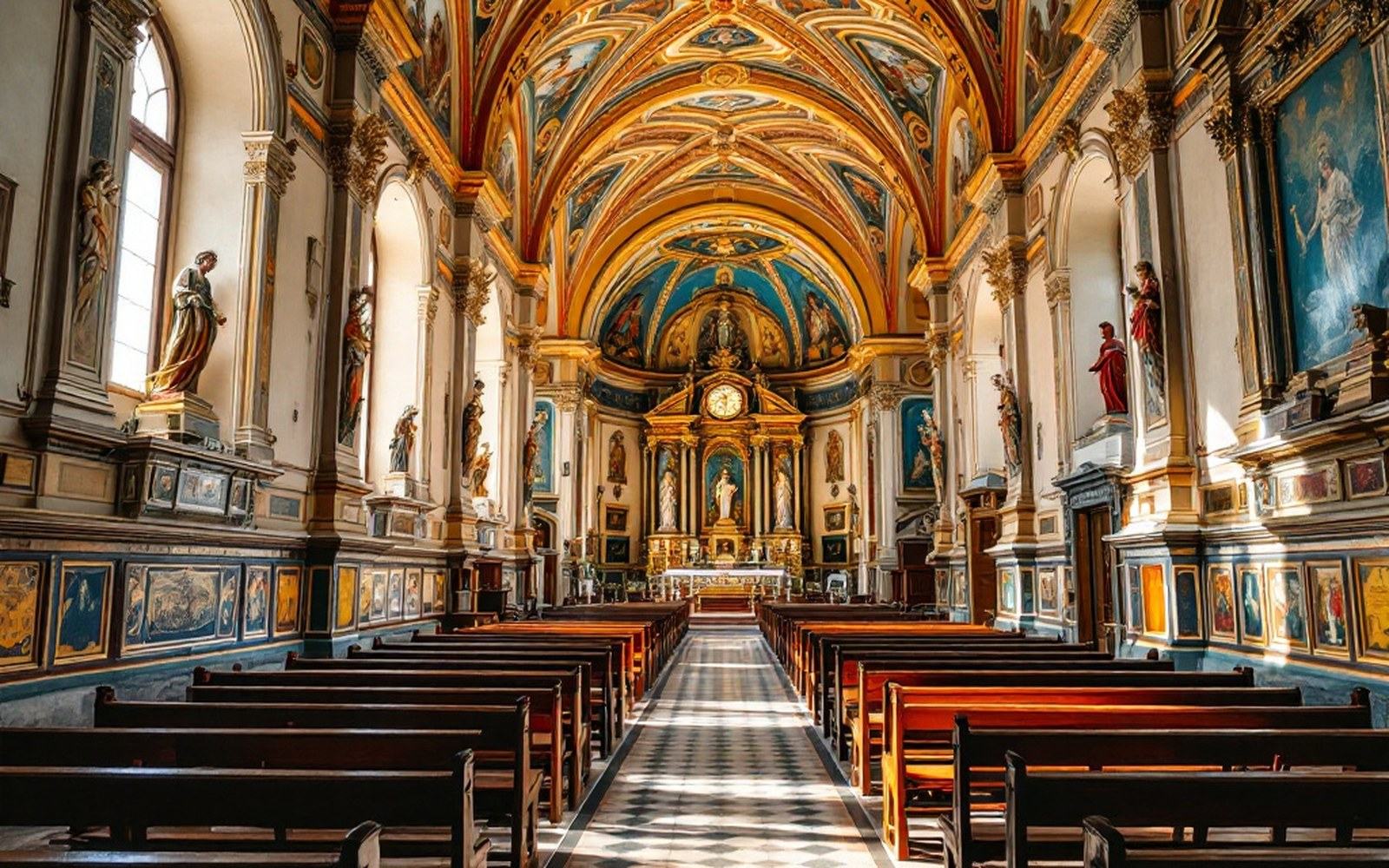
Fig. 4The scale of the work is the whole question — a rural parish church fitted out far beyond what its income could support.
The stained glass is documented by the windows themselves, some of which carry the name of the glassmaker. The apse windows are the most elaborate. Their iconographic programme is conventional for a Magdalene dedication: scenes from the life of the saint, standard in Catholic decorative schemes of the era.
The accounts and diocesan correspondence allow a partial but genuine itemisation, even if no single surviving document gives a complete inventory.
The holy water stoup near the entrance — supported by a painted plaster figure — is the single furnishing most often singled out by later writers, though its significance has been substantially invented. In the record, it is a decorative stoup of the type sold by the same suppliers who provided the statues.
What the furnishings document collectively is a sustained programme of expenditure, carried out between roughly 1887 and the early 1900s, on a church whose normal income could not have supported it. That is the documented puzzle. The Archives départementales de l'Aude and the diocesan archive in Carcassonne hold the papers from which that conclusion is drawn, and on which any serious account of the furnishings must rest.