The Figure at the Door
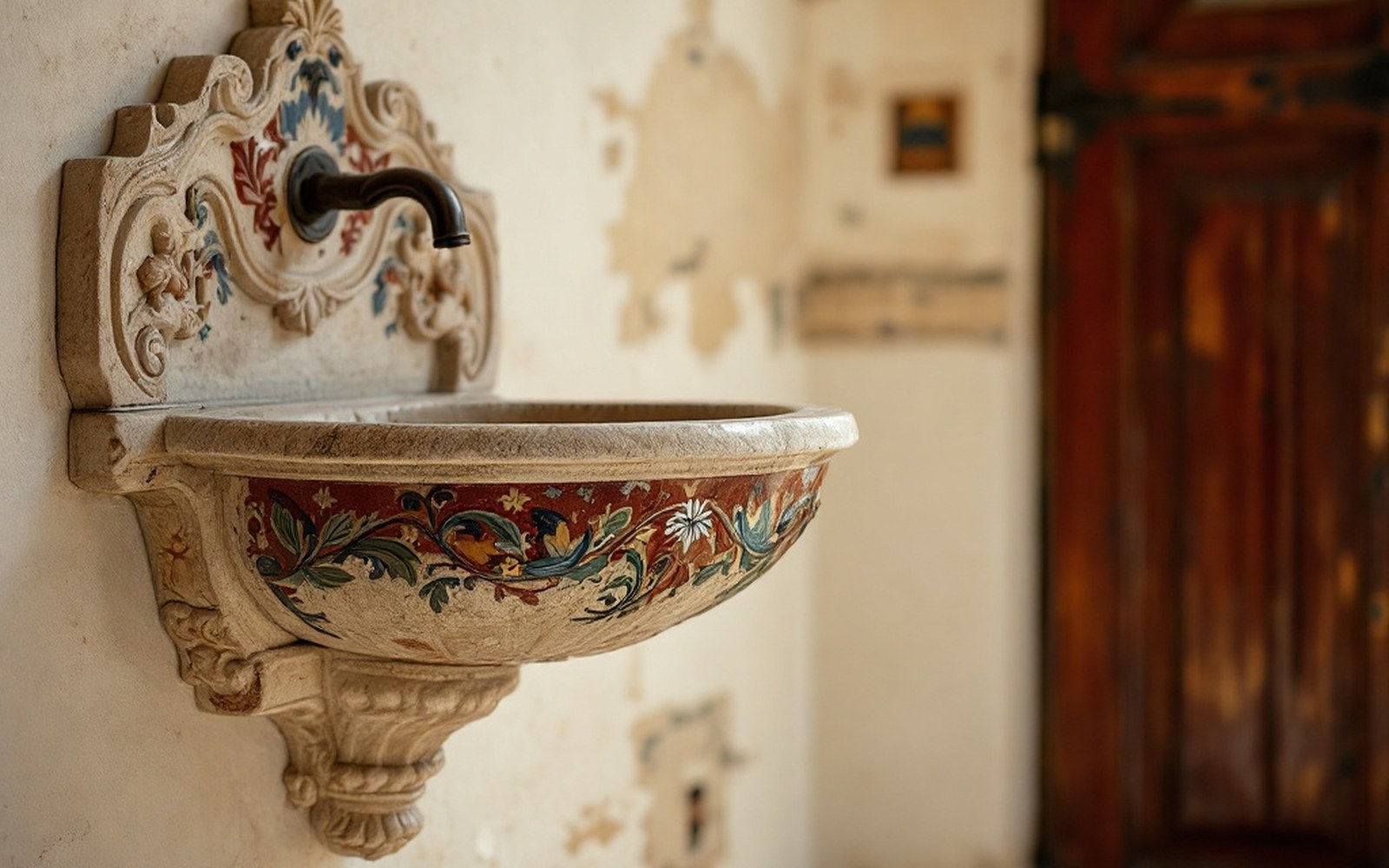
A visitor entering Saint Mary Magdalene through its western door passes immediately a holy water stoup — a bénitier in French — supported by a kneeling demon figure, identifiable by the manufacturer's catalogue as Asmodeus, a name borrowed from Jewish literary tradition. The figure is polychrome plaster, cast in a mould. It is not a singular carving, not an esoteric commission, and not unique to Rennes-le-Château: the religious goods trade of late nineteenth-century France produced such items by the thousand, distributing them through suppliers to parishes across the country. A rural curé refurnishing his church in the 1890s ordered from catalogues; the demon-as-stoup-support was a recognised type.
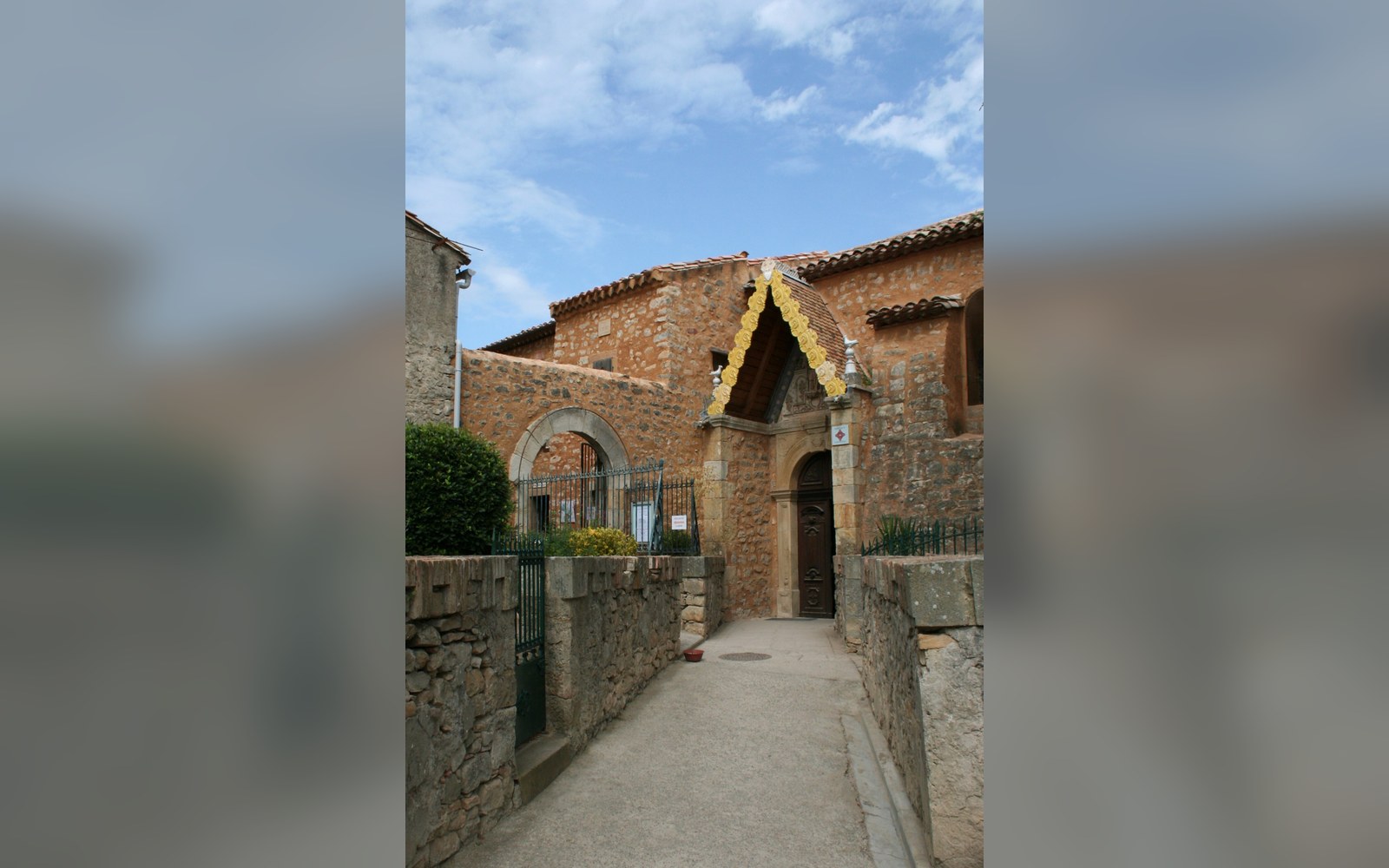
Fig. 2The parish church itself: a small building of no particular distinction until the 1890s, when its interior was comprehensively and expensively redone.
Photo: Wikimedia Commons
What drew attention to this particular example was not the object itself but the context layered around it by later writers. The name Asmodeus, a demon associated in one medieval reading with treasure-guarding, was imported into a story that needed a sinister figure at the threshold, and the plaster cast obliged. The documented record contains nothing to suggest Bérenger Saunière attached any significance to the choice beyond the supplier's stock availability.
The Painted Scheme
Above and around the stoup, and extending across much of the interior, runs a programme of painted plaster that is the most immediately striking element of Saunière's refurbishment. The walls carry a deep red wainscot band, then a lighter field rising to the vault, with decorative borders marking the transitions. Painted panels flank the main furnishings; the stations of the cross are framed in painted surrounds. The palette — ochres, red-oxides, a blue-green in the upper registers — is recognisable as the period taste of the 1890s, consistent with the decorative vocabulary taught in the workshops that supplied provincial church painters throughout southern France.
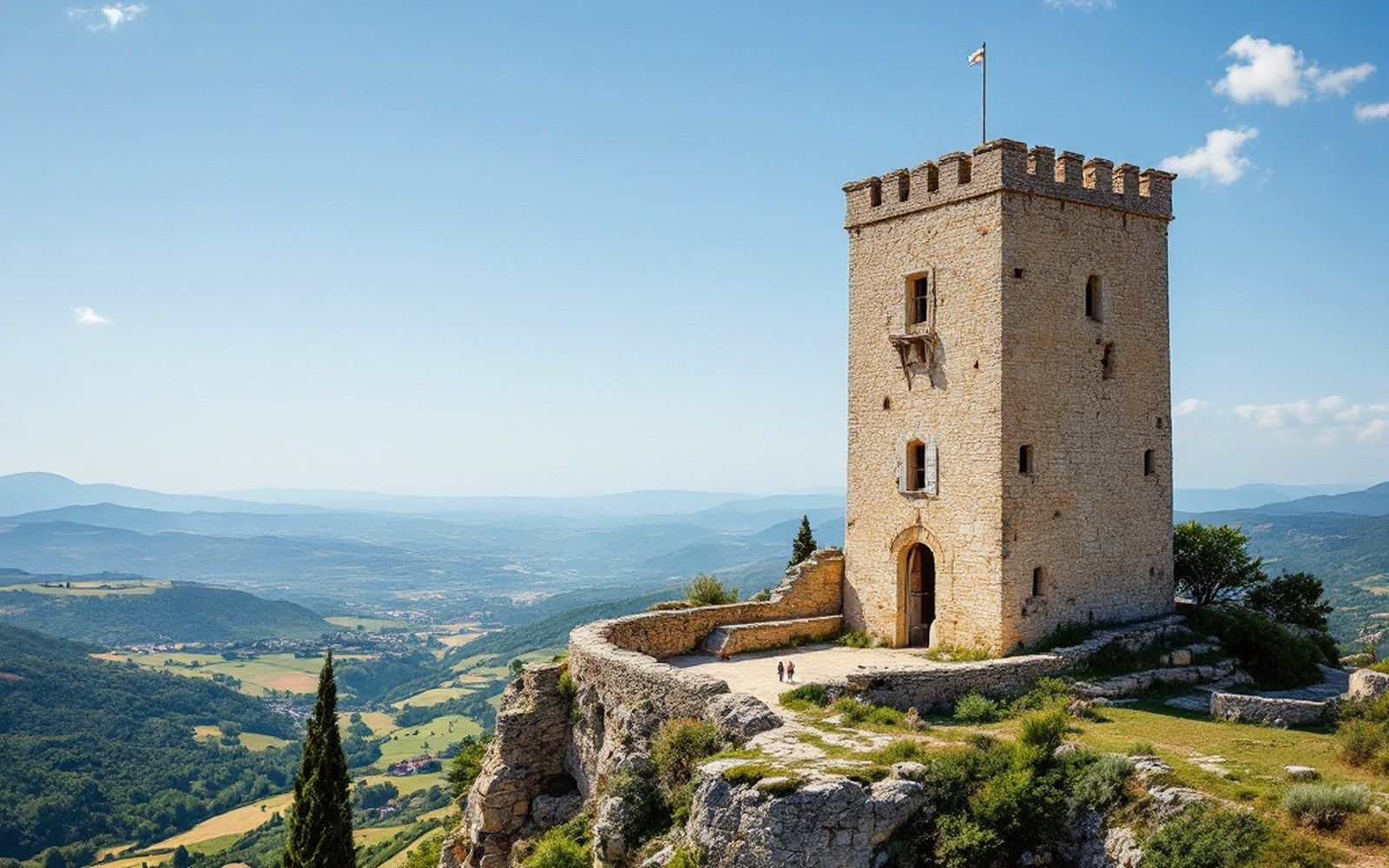
Fig. 3The tower at the edge of the drop, built as a library.
The scheme is competent and reasonably coherent, qualities consistent with hired professional decorators rather than local improvisation. No contract with a named painter has so far surfaced in either the Archives départementales de l'Aude or the diocesan papers, which is not unusual: many small commissions were never formally notarised. The diocesan trial brought by Bishop Paul-Félix Beuvain de Beauséjour in the early twentieth century focused on Saunière's income and the mass-stipends question, not on the aesthetic choices he made during the works. The paintings were not in dispute.
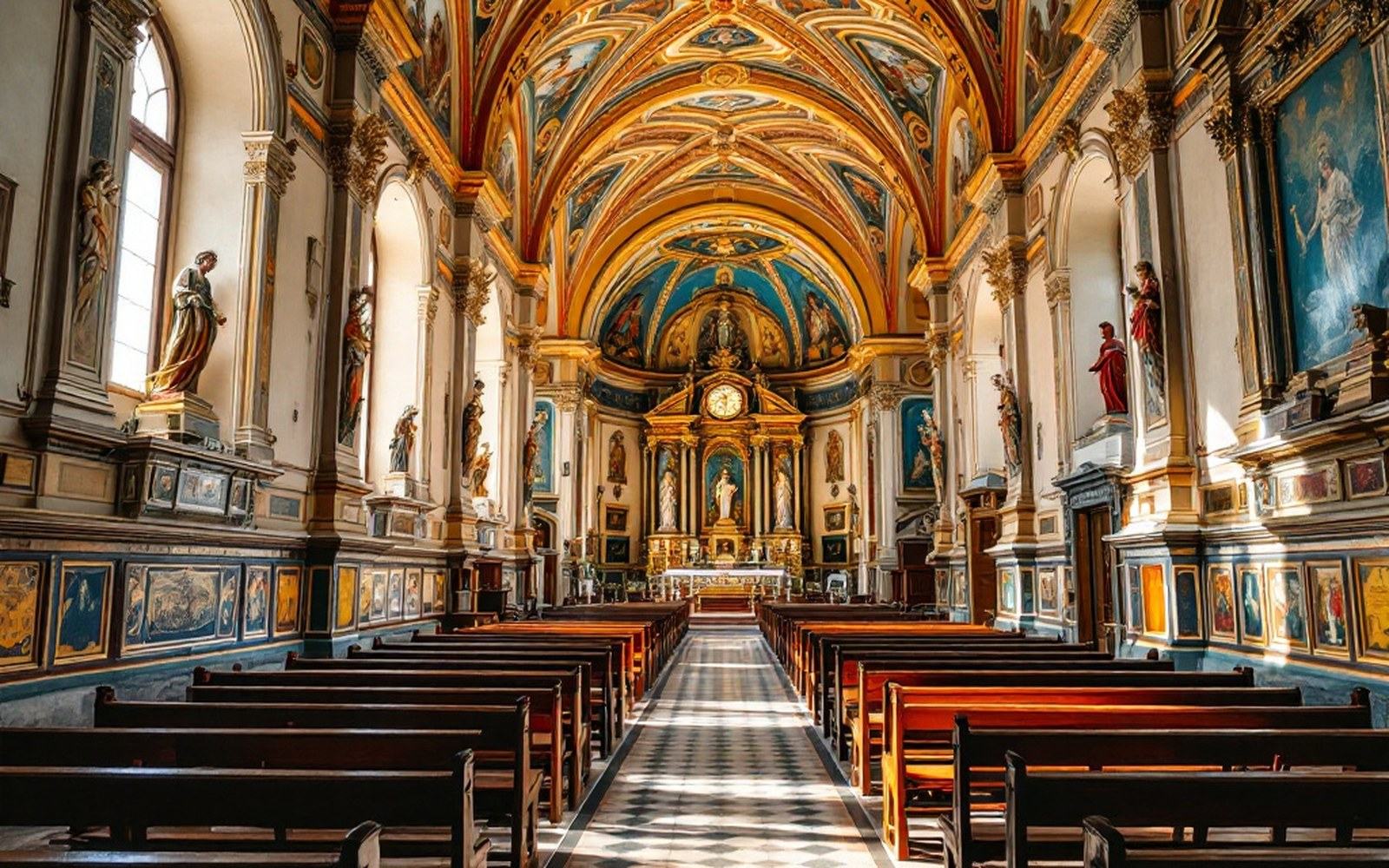
Fig. 4The scale of the work is the whole question — a rural parish church fitted out far beyond what its income could support.
The phrase painted above the door — Terribilis est locus iste, "this place is terrible", a verse from Genesis used as an introit for church dedications — is sometimes presented as a coded warning or an esoteric gesture. It is in fact a standard liturgical inscription for a church interior, used across France and documented in countless other buildings of the same period. Its appearance here is unremarkable.
What is not ordinary is the money that paid for it, and that question belongs to the diocesan court, not to the iconography.
What the Record Shows
The furnishings and decorative programme at Rennes-le-Château were expensive relative to the parish's ordinary income, and that disproportion is the real documented question — addressed in the diocesan proceedings, not in symbol-hunting. The stoup figure and the painted walls are material objects with traceable contexts: a religious goods industry, a school of provincial church decoration, a range of period conventions for small Catholic interiors. Every element of the scheme that has been matched against those contexts has turned out to be ordinary. What is not ordinary is the money that paid for it, and that question belongs to the diocesan court, not to the iconography.
The demon stoup and the red-walled interior are real; the weight of significance placed on them was manufactured elsewhere, by Noël Corbu and the writers who followed him, long after Saunière's death.