The woman who held the title deeds
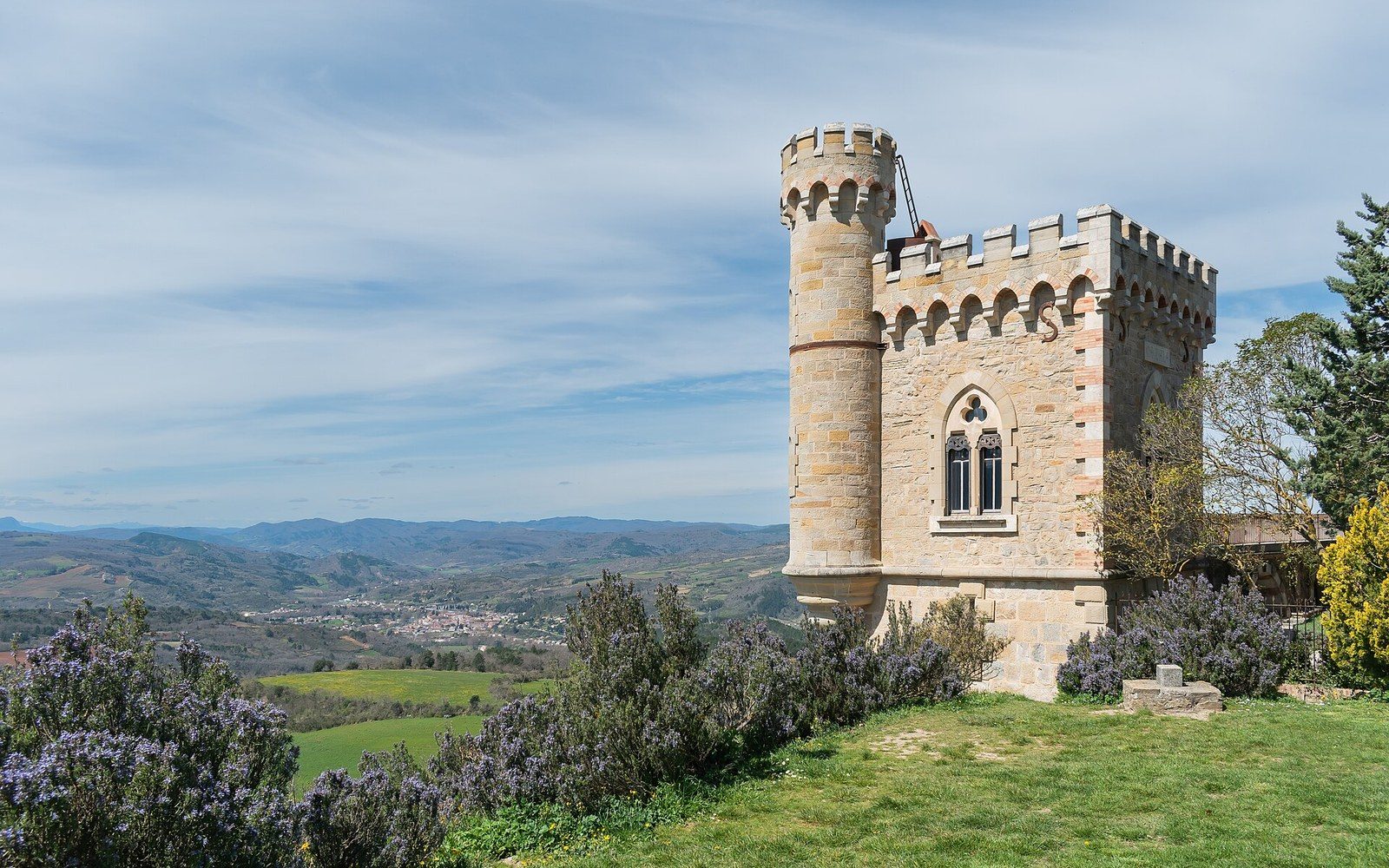
Bérenger Saunière's housekeeper from the early years of his time at Rennes-le-Château until his death in January 1917, Marie Dénarnaud was not a background figure in any legal sense. The property he built — the Villa Bethania, the Tour Magdala, the garden walk — stood in her name. That is a fact of the notarial record, not inference or legend.
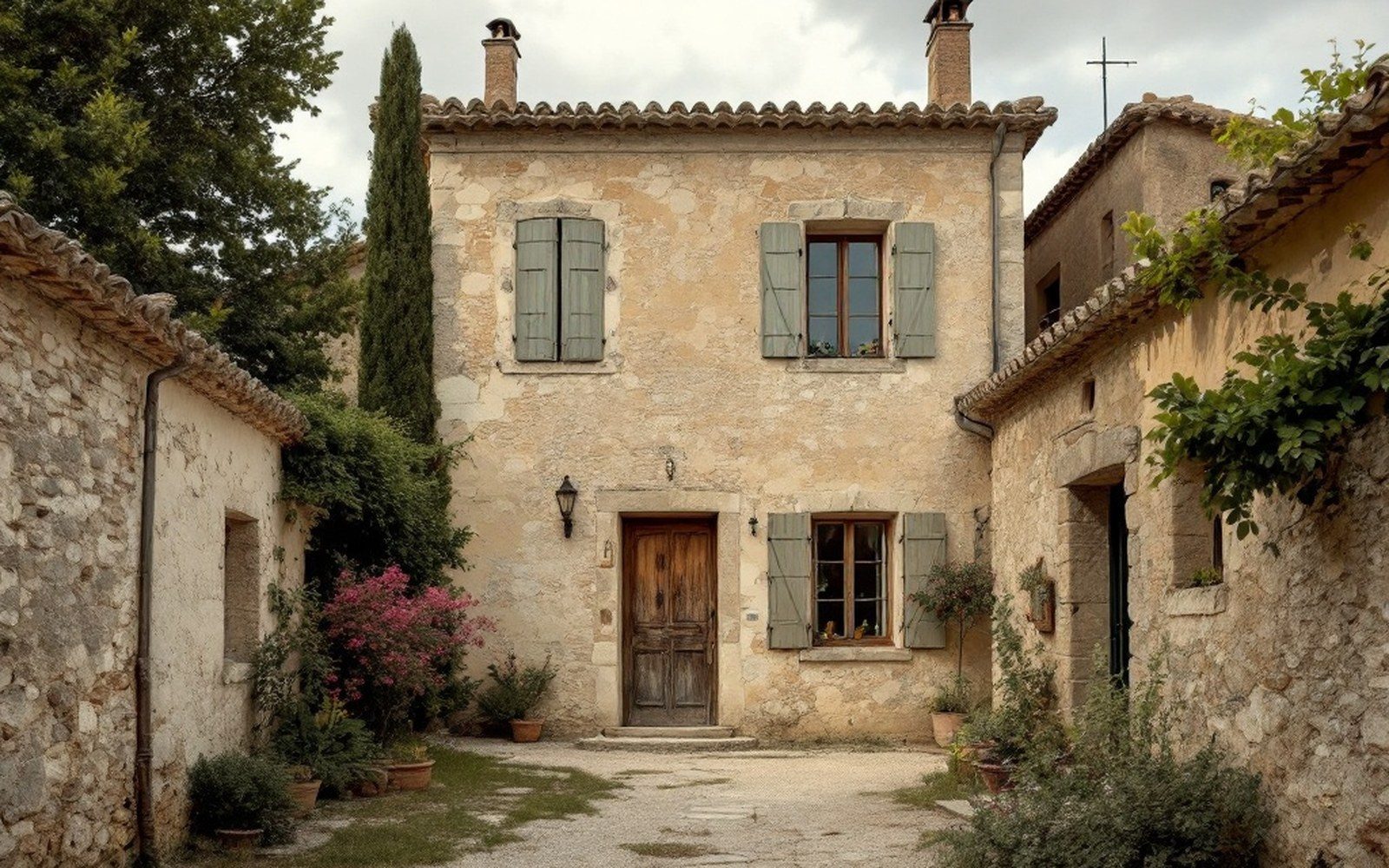
Fig. 2A substantial house built beside the church, in a village of small ones.
Born in Montazels in 1868, Dénarnaud came to the presbytery as a young woman and remained for the rest of Saunière's life. The relationship was domestic and administrative: she ran the household, managed correspondence, and her name appears on the property instruments that the Archives départementales de l'Aude hold. Saunière, as a curé — a parish priest — could not own property in his own right in any straightforward ecclesiastical sense, and routing title through his housekeeper was a practical arrangement with real legal consequences.
Those consequences arrived after his death. Dénarnaud remained sole owner of the estate. She lived on at the villa for more than three decades as the sole occupant of a compound built for a man whose income the Diocese of Carcassonne had formally contested. In 1946, aged seventy-eight and in financial difficulty, she sold the property to Noël Corbu, a businessman from Rouen, on the condition that he house and support her for the remainder of her life. Corbu accepted. She died in January 1953.
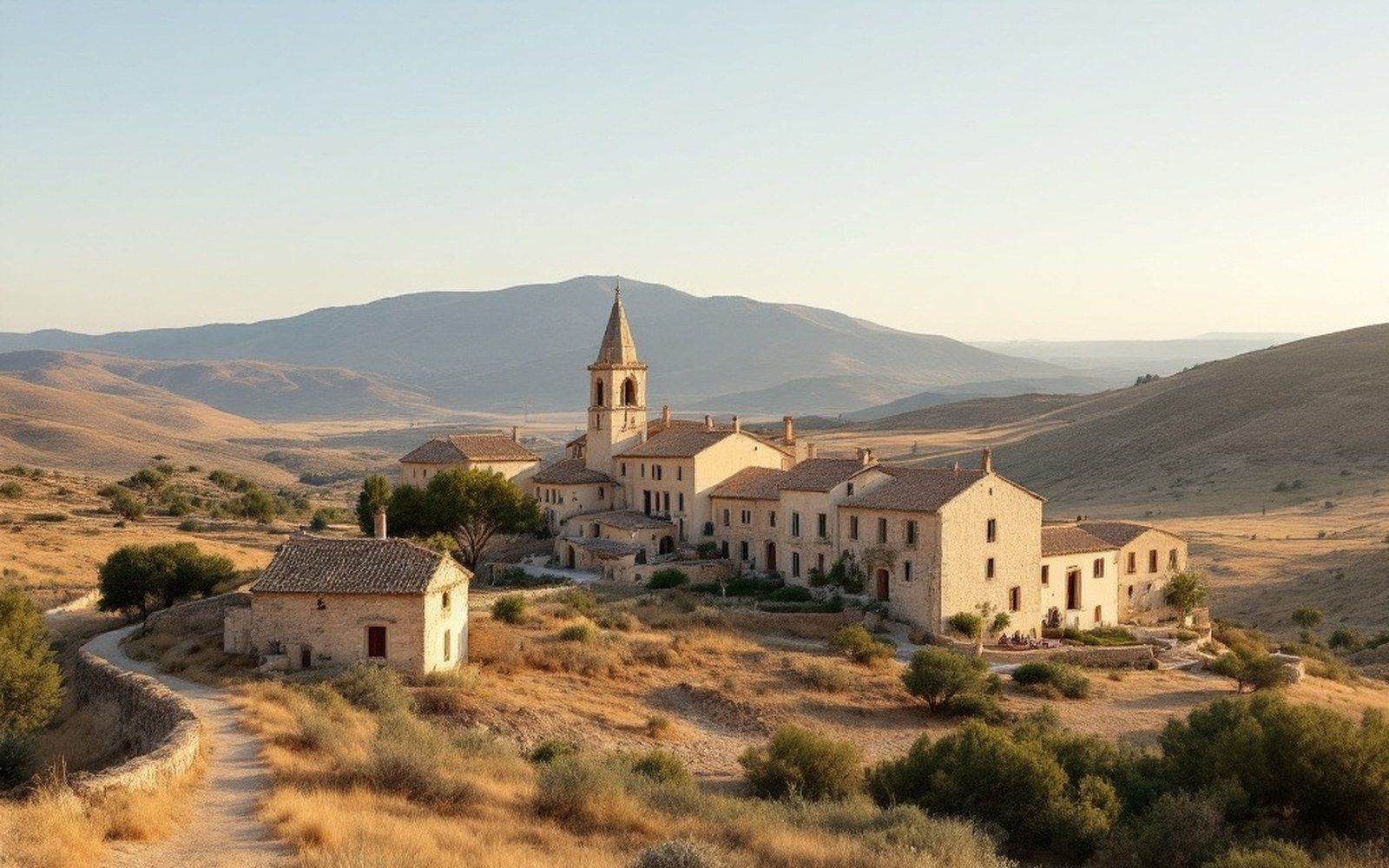
Fig. 3Church, villa and tower stand within a hundred metres of each other on the ridge.
It was in the years after the sale, and chiefly after her death, that the treasure story first circulated. Corbu later told journalists and customers at the hotel he was converting the villa into that Dénarnaud had promised to reveal a great secret, but had suffered a stroke that left her unable to speak before she could do so. The regional press carried this account in the mid-1950s. It supplied the legend with its founding anecdote — the silent witness, the secret taken to the grave — and Corbu was its author, not its inheritor. No document records Dénarnaud making any such promise or disclosure. She left no memoir, no will with explanatory clauses, no deathbed statement in any archive.
What the record does contain is the sequence of property transfers: from Saunière's building activity, through the notarial act of 1946, to Corbu's ownership. Dénarnaud is the pivot of that sequence. She held title during the years the Diocese was pressing Saunière over his income from mass stipends, which means the estate's legal ownership and the ecclesiastical dispute ran on separate tracks — a detail that genuinely complicates the financial picture without requiring anything occult to explain it.